Posted by:- Sushant Mishra
21-12-2024
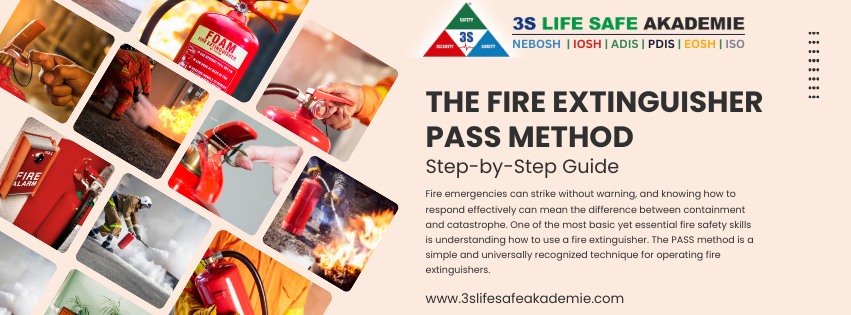
Fire emergencies can strike without warning, and knowing how to respond effectively can mean the difference between containment and catastrophe. One of the most basic yet essential fire safety skills is understanding how to use a fire extinguisher. The PASS method is a simple and universally recognized technique for operating fire extinguishers. This guide provides a detailed walkthrough of the PASS method, ensuring you’re prepared to act confidently during an emergency.
The PASS method is a step-by-step process designed to simplify fire extinguisher use for individuals of all experience levels. The pass full form in fire extinguisher stands for:
These steps provide a systematic approach to using fire extinguishers, ensuring the extinguishing agent is deployed effectively to tackle small fires.
| Letter | Action | Meaning in Fire Safety |
|---|---|---|
| P | Pull | Remove the safety pin to unlock the extinguisher. |
| A | Aim | Point the nozzle at the base of the fire, not the flames. |
| S | Squeeze | Depress the lever to release the extinguishing agent. |
| S | Sweep | Move the nozzle side-to-side to cover the fire source. |
Fires spread rapidly and unpredictably, creating panic and confusion. In such situations, knowing the pass method of fire extinguisher operation enables quick, decisive action. Improper use of a fire extinguisher can exacerbate the situation, wasting valuable time and resources. The pass of fire extinguisher technique ensures that even individuals without prior training can operate a fire extinguisher safely and efficiently. This knowledge can help save lives, protect property, and minimize damage.
The PASS method isn't just a suggestion; it is a standardized technique recognized by major safety authorities. NFPA 10 (Standard for Portable Fire Extinguishers) provides the framework for proper maintenance and use, while OSHA 1910.157 mandates that employees must be trained in the correct meaning of PASS in fire extinguisher operation if extinguishers are provided in the workplace. Adhering to these standards ensures both legal compliance and maximum safety.
Mastering the fire extinguisher pass full form and its application is key to workplace safety. Here is a detailed breakdown of each step:
The first step in using a fire extinguisher is to pull the safety pin located near the handle. The pin acts as a safety mechanism, preventing accidental discharge. Pulling it removes the lock and prepares the extinguisher for use.
Tips:
Once the extinguisher is unlocked, aim the nozzle or hose at the base of the fire. This step is crucial because fires are fueled at their base, where combustible materials interact with oxygen. Spraying the flames instead of the base will not effectively extinguish the fire.
Tips:
After aiming, squeeze the lever or handle to release the extinguishing agent. This action activates the extinguisher, forcing the extinguishing material out through the nozzle.
Tips:
The final step is to sweep the nozzle in a side-to-side motion, covering the entire area of the fire’s base. Continue sweeping until the fire is completely extinguished or the extinguisher is empty.
Tips:
In some industrial and high-risk environments, professional safety trainers teach the TPASS method. The 'T' stands for Twist. Before pulling out the safety pin, twist it to break the tamper seal or retaining wire that holds the pin in place. This helps ensure the pin can be removed quickly and smoothly during an emergency. Once the seal is broken, follow the remaining steps: Pull the pin, Aim at the base of the fire, Squeeze the handle, and Sweep the nozzle from side to side. While the PASS method is commonly taught for general fire safety, TPASS adds an extra preparatory step that can improve speed and efficiency during fire emergencies.
Not all fires are manageable with a fire extinguisher. It’s essential to assess the situation before attempting to extinguish a fire. Use the PASS method only when:
If the fire is spreading rapidly, producing excessive smoke, or blocking your exit, evacuate immediately and call emergency services.
Fires are categorized into classes based on their fuel source, and different fire extinguishers are designed to combat specific types of fires. Understanding these classifications is critical for effective fire suppression.
Always check the label on a fire extinguisher to ensure it matches the fire’s classification.
The pass full form in fire extinguisher stands for Pull, Aim, Squeeze, and Sweep. It is a simple four-step method for operating fire extinguishers effectively during an emergency.
The meaning of pass in fire extinguisher is to provide a memorable acronym that ensures you take the correct actions in the right order: unlock the device (Pull), target the base (Aim), release the agent (Squeeze), and cover the fire area (Sweep).
Yes, the pass method of fire extinguisher use is recommended by OSHA, NFPA, and other global safety organizations as the standard technique for portable fire extinguisher operation.
The PASS technique applies to most portable extinguishers, but you must ensure the extinguisher type (Water, CO2, Dry Chemical, etc.) is appropriate for the fire class (A, B, C, D, or K).
Understanding the fire extinguisher pass meaning and the meaning of pass in fire extinguisher use is a vital skill for anyone concerned about fire safety. By understanding and practicing this straightforward technique, you can act swiftly and confidently in emergencies, potentially saving lives and property. However, always prioritize personal safety and know when to evacuate and call for professional help.
Regular training, awareness, and maintenance of fire extinguishers are essential components of fire preparedness. Share this knowledge with family, colleagues, and friends to ensure everyone is equipped to handle fire emergencies effectively.